
Introduction
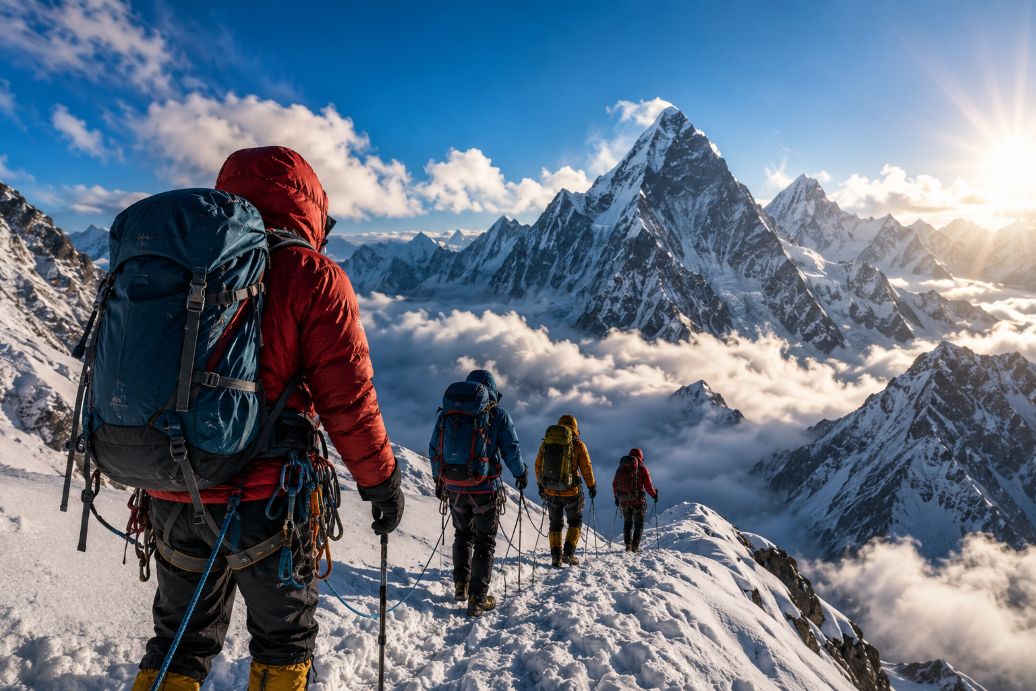
High-altitude expeditions, whether to Everest Base Camp, Mount Kilimanjaro, or Mount Elbrus are increasingly on the bucket list of Indian travellers. Social media often showcases the rewards: breathtaking views, summit photos, and moments of triumph. What it rarely shows is the reality. A quick search online reveals thousands of questions from first-timers: How fit do I need to be? Will I get altitude sickness? What is the hardest part? While these are valid concerns, the answers are often oversimplified. Having guided hundreds of first-time trekkers, I’ve seen a consistent gap between expectation and experience. Here are six important truths, framed through the most common questions, that no one tells you before you go.
“How Fit Do I Need to Be?” — Fitness Is Not Enough
Fitness is important but it is only your entry point. At high altitude, the real challenge is reduced oxygen. The body must adapt to thinner air, and this process acclimatization varies from person to person. It is common to see very fit individuals struggle, while others with moderate fitness perform better. This is because adaptation cannot be fully trained at sea level. The key is pacing. A slow ascent, supported by rest days, allows the body to adjust. Rushing, even when you feel strong, often leads to problems later.
“Will I Get Altitude Sickness?” — Anyone Can Be Affected
Altitude sickness is one of the biggest concerns and rightly so. The truth is, it can affect anyone. Age, fitness, and prior experience do not guarantee immunity. Early symptoms include headache, nausea, fatigue, and loss of appetite. These may appear mild but can worsen if ignored. The most common mistake is pushing through discomfort. At altitude, this can be risky. The safest approach is awareness. Listen to your body, communicate symptoms early, and follow acclimatization protocols. When required, descending is the most effective solution.
“Why Can’t I Sleep?” — Sleep Is Often Disrupted
Sleep disturbances are a common but under-discussed challenge. At altitude, many experience:
Light, broken sleep
Frequent waking
Irregular breathing
This happens because the body is adjusting to lower oxygen levels. While uncomfortable, it is usually normal. Instead of expecting perfect sleep, focus on rest. Staying warm, hydrated, and mentally calm can help. Accepting that sleep may not be ideal reduces unnecessary anxiety.
“What Is the Hardest Part?” — It’s Mental
The toughest part of a high-altitude expedition is rarely physical, it is mental. Summit days can involve 10–14 hours of continuous effort in cold, windy conditions. Fatigue builds up, and progress feels slow. This is when self-doubt sets in. Questions like “Why am I doing this?” or “Can I continue?” are common. Those who succeed are not necessarily the strongest, but the most consistent. They focus on one step at a time rather than the entire climb. Mental resilience, patience, and discipline become the deciding factors.
“What Should I Eat?” — Your Appetite Will Drop
Nutrition is often overlooked, yet it is critical. At altitude, appetite decreases. Food may feel unappealing, and digestion slows down. However, the body requires more energy due to increased exertion and environmental stress. This imbalance can lead to fatigue and slower recovery. The solution is simple: eat regularly, even without hunger. Light, carbohydrate-rich meals, warm fluids, and proper hydration help maintain energy levels. At altitude, food becomes fuel rather than indulgence.
“Is It Worth It?” — The Change Is Internal
Many begin with external goals reaching a summit or completing a trek. But the experience goes deeper. High-altitude environments remove distractions. With limited connectivity and a simple routine, there is space for reflection. The journey becomes internal. It teaches patience, resilience, and humility. It helps individuals reconnect with themselves and their capabilities. For many, the true achievement is not reaching the top but discovering a stronger version of themselves along the way.
Conclusion
High-altitude expeditions are far more than physical challenges. They require preparation, awareness, and the right mindset. For first-time trekkers, realistic expectations are essential. Fitness must be supported by acclimatization, proper nutrition, rest, and mental resilience. Above all, respect for the mountain environment is critical. At Sagarmatha Explorers, we have guided a diverse range of individuals from beginners to senior participants—through successful high-altitude journeys. The lesson remains clear:
With the right preparation, guidance, and mindset, the mountains are not just achievable they are transformative.
Why Planning Enhances the Experience
Exploring islands thoughtfully helps balance comfort and discovery. Choosing the right locations and pace ensures travelers experience both beauty and authenticity.
A Sense of Escape
Sunset walks, ocean sounds, and peaceful mornings create moments that stay with travelers long after they return home.


